Festivals of Pakistan
The Kalash Festivals
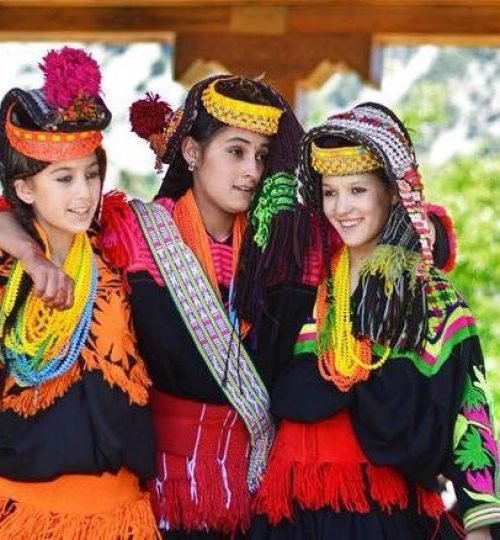
The Kalash are cheerful people, generous, witty and fond of rejoicing and merry making. Their women folk have an outgoing manner that is disarming, delightful and unexpected. As you join them in their festivities and see them dance and sing, you are taken right back into history.
The Kalash have four colourful festivals.To the Kalash these festivals are the culminations of religious life and, like the big funerals, they unite the people.
Joshi /Chilimjusht the spring festival
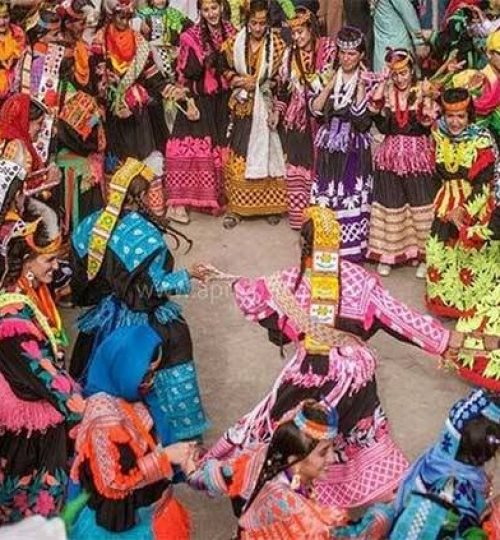
Joshi /Chilimjusht the spring festival, in the middle of May lasts for four days. . The spring festival honours the fairies and allso safeguards the goats and shepherds before they go to the pastures. Before the festival the women and girls gather from all over the valley and decorate their houses. Inside the houses local wine and milk products are shared . The women then sprinkle milk on Goddess Jestak the protector of their children and home. The festival begins at Rumbur where the Shaman ( soothsayer ) and tribal chiefs lead a procession to the Malosh altar , high above Grum, to sacrifice goats to the Gods . Later the festival moves on to Bumboret and ends up at Birir , a few days later.
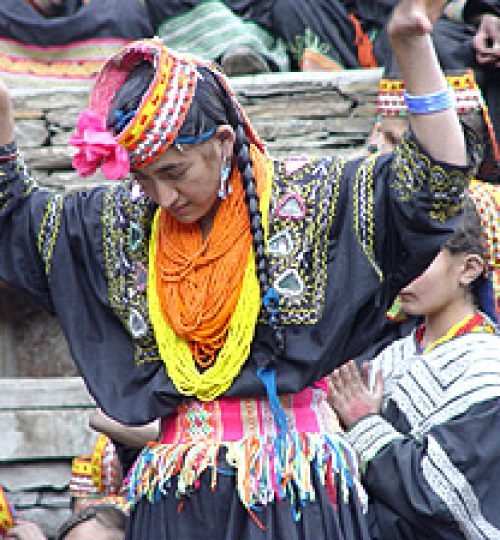
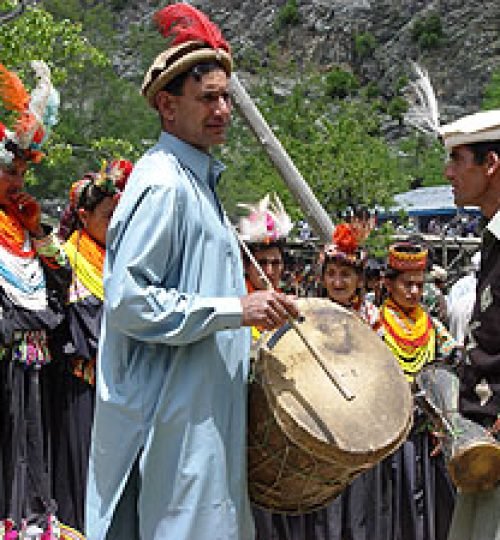
Every religious ceremony is accompanied by dancing and rhythmical chant to a beat of the drum. The women wearing their traditional black robes, ornate cowries shelled head dresses and adorned with coloured necklaces, dance in a circle. Then the men join in : it may be a man and a women or a man in the middle with a women on each side, lovers being free to intermingle. One hand is held round the waist of the partner and the other round the shoulders. Tribal chiefs in colourful dresses narrate stories of bygone days and events.
Uchal festival
The Uchal festival, in August marks the harvest of wheat and barley and bringing down of cheese from the high summer pastures. It is celebrated in Rumbur and Bumboret . Earlier in July it starts as the Ranat with dances held on alternate days performed by the young girls and boys in order to safeguard the maize crop.
Phool festival
Phool festival, is only held in Birir around end of September to celeberate the grape and walnut harvest. Grape being a staple requirement in the Kalash society for making wine are grown on trees in protected sites. The holy tree being the best for such climbers. They are picked through out the valley on a particular day and is an occasion for joy and merry making.. It is also an occasion of the shepherds returning from the high pastures .
Chaumus festival
As winter starts around mid December the Chaumus festival begins . The festival is observed for the divine, the living and dead relatives, for the crops and the goats to be safeguarded, while the community, the village and the valley are purified prior to the coming year. Sighting a fox is a good omen and great efforts are made in this regard. At dusk torch lit processions are led from all the nearby villages culminating at the Charsue which is the main customary dancing place. Most of the festivities are indoors where the local wine is handed around as the dance gathers momentum carries out till late in the night round the bonfire. While the tribal elders sit on hill tops at dawn to watch the rising sun and declare the new year. Goat sacrifices are then made to the Godess Jastak , blood from the animal is sprinkled at the temple Jastak An. This is the time when Balimine another great God visits the Kalash valley once a year and sacrifices are made at his Malosh. Altar too.
Hindukush Trails runs regular trips to these festivals with private "home stays", to get to know more of the people and their culture and a chance to taste traditional local cuisines which you miss out while staying in hotels.
We organize package tours to all festivals in different regions of Pakistan.
The Shandur Polo Festival
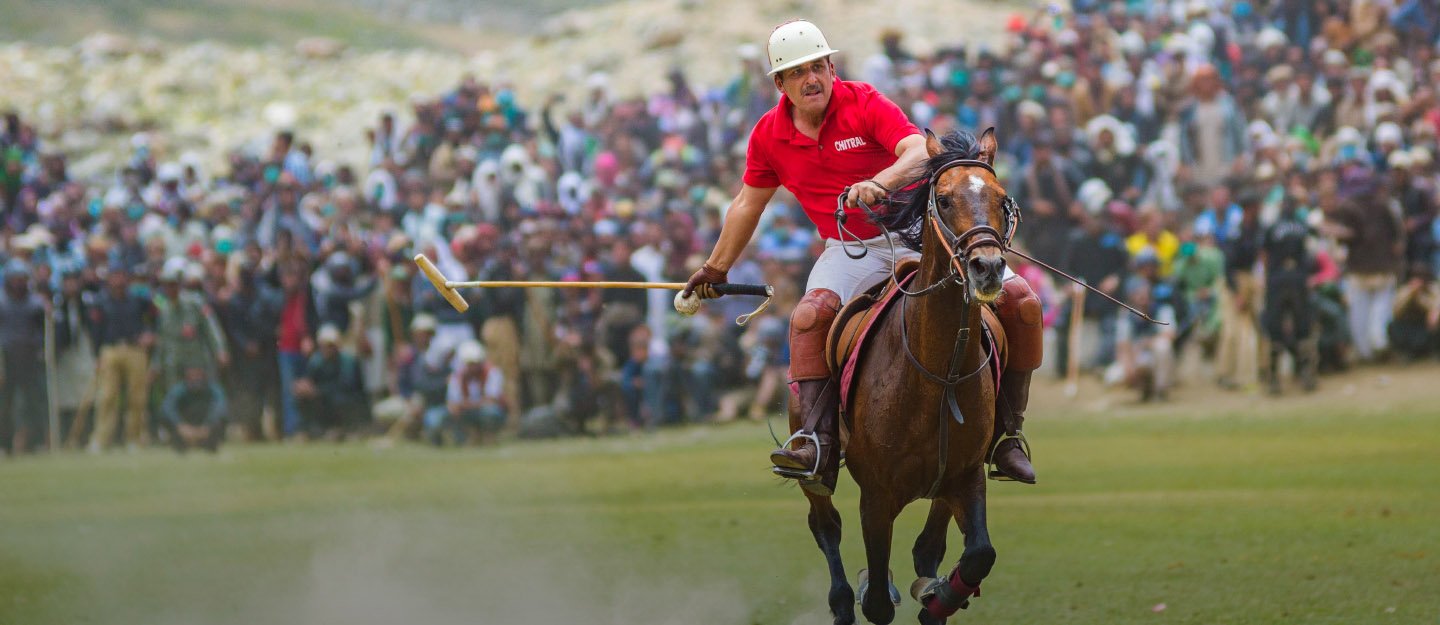
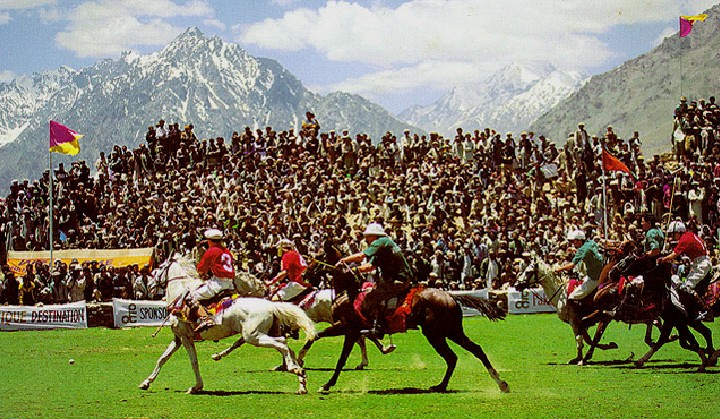
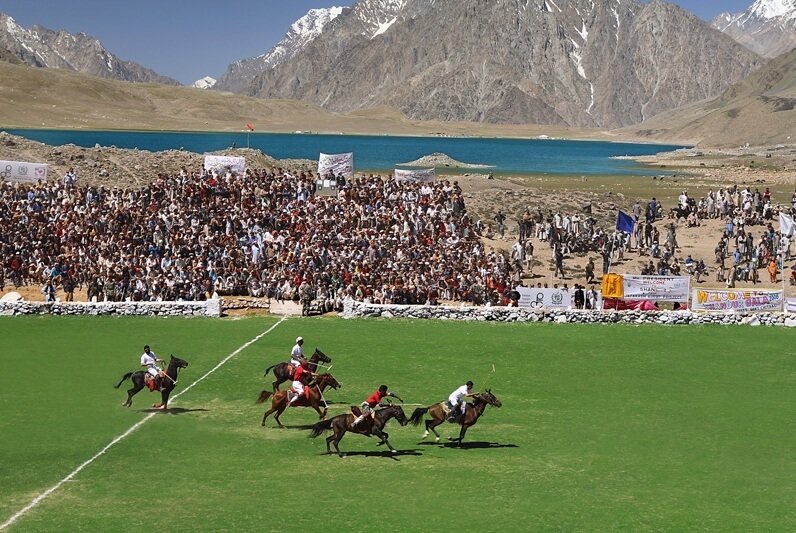
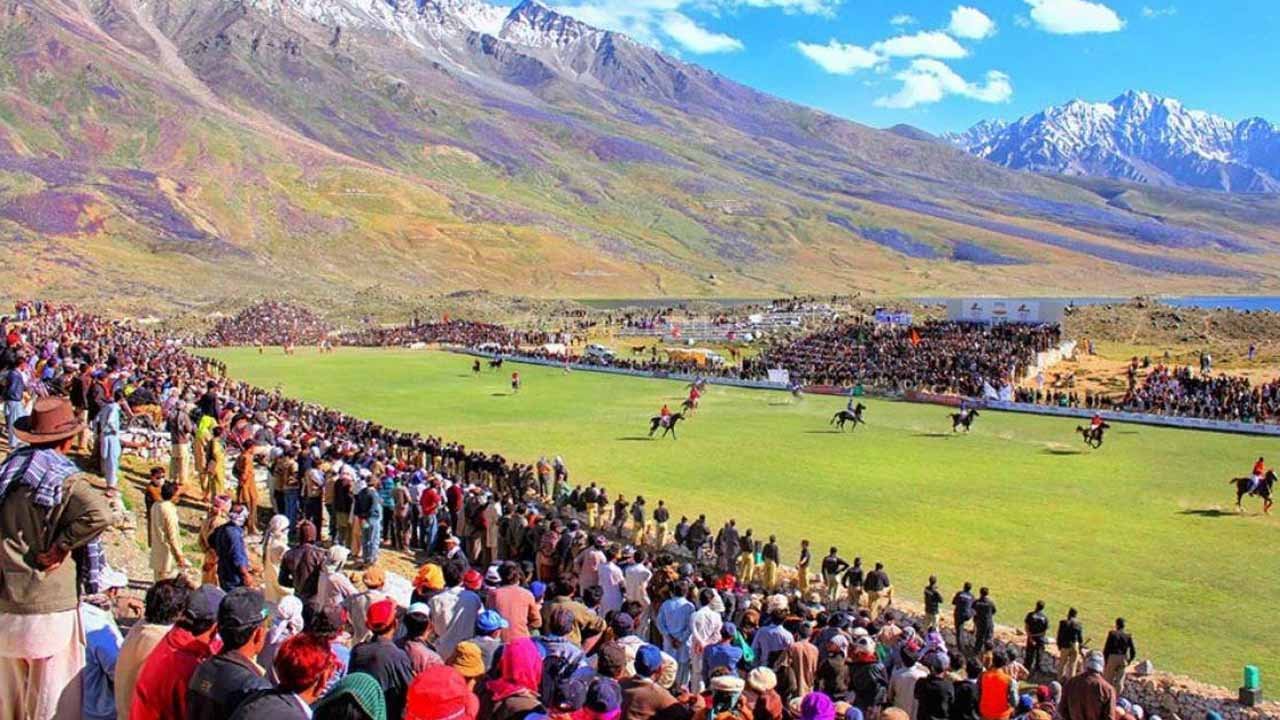
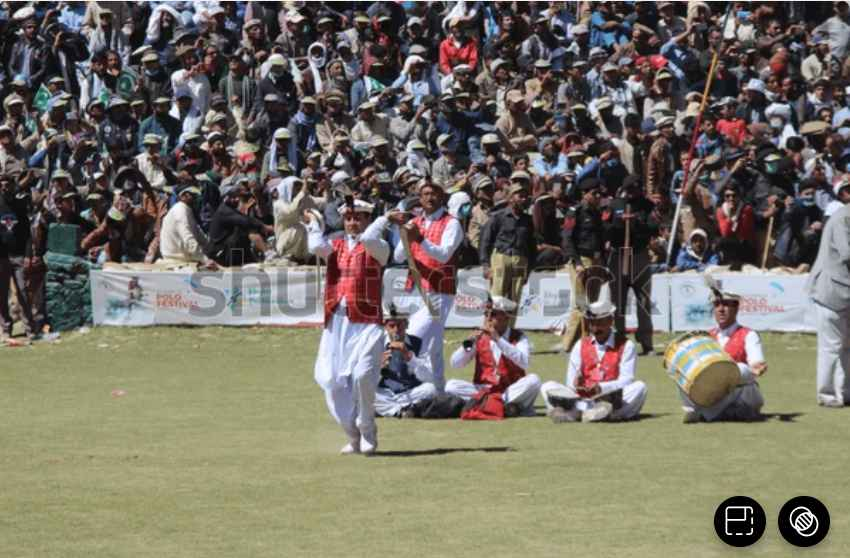
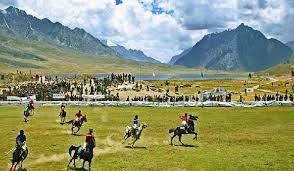
The remote wind-swept amphitheater of the Shandur Pass, located on the lofty border between Gilgit and Chitral, comes to life once a year as the dramatic venue of the Shandur Polo Festival held during the first week of July.
At 3734m, this is the world's highest polo field, set in a magnificent landscape of rolling pastures, crystalline azure lakes & Hindu-Raj mountains, it is just the setting for the clash of the local polo titans, Chitral and Gilgit. This contest is considered the toughest polo tournament in the world - with fraying tempers and passions running high, the strain of the high altitude and the ferocity of the game creates a drama in which horses die and players invariably suffer grievous injuries. Yet despite the hazards, the polo tradition continues unabated.
Historically the game goes back many centuries when the local Mehtars , Mirs and Rajas were patrons of polo and it was played, not only for pleasure, but for celebratory and commemorative occasions. The Mehtar of Chitral would send a message to his relatives the Rajas of Ghizar , Yasin and Ishkuman and word would travel far down the valleys to Punial Gilgit and Chilas where the challenge would be taken up. But despite being dubbed 'the game of kings', in the Northern Areas, it is not an elitist sport, often played in village square on sorry nags or even on bicycles. " It is the local obsession along with music & dancing on Shandur. In recent years, the event has become something of a legend - the dramatic landscape, the local colour, the presence of international celebrities but above all the passion with which the game is played by the age-old rivals, make the Shandur Polo Festival an unforgettable occasion. A large tented village and bazaar is set up with thousands of people camping out.
Each year the following events are scheduled.
Traditional dancing & singing and sitar music Para Gliding Rafting in the Shandur Lake Wild mountain polo , horse races and at times Buz Kashi Traditional tug of war Traditional handicrafts on display SHANDUR FESTIVAL & HINDUKUSH TRAILS
When Chitral State joined Pakistan in 1955 polo started dying down as jeep roads reached far corners of the state & horse as means of transportation was less used . Our organization Hindukush Trails took up the patronage of the local teams in 1985, whereby we started bringing horses & teams from far away places like Karachi to encourage the locals . Since then , off and on we have sponsored Shandur Festival event for a number of years and created a worldwide interest for the festival . BBC, Gillette World Sports, National geographic, French TV 2, Lonely Planet and PIA have covered Hindukush Trails organizing Shandur Polo festival. Similarly in 1994 we organized the polo festival for sponsors Coca Cola . In 1997 we organized the event for sponsors Lever Brothers . President Lever Brothers United Kingdom and his guests flew all the way from England to inaugurate the event. In 2005 we made arrangements for the famous actor Michael Palin whose fame in films like Monty Python, Fish called Wanda and Sahara brought 9 million viewers. His film for BBC travel titled Himalayas with Michael Palin was released in London highlighting Shandur festival bringing Pakistan back on the tourist map.
OUR PRIVATE CAMPING AREA AT SHANDUR
Hindukush Trails is the only firm which has its own private camping meadows located at 3834m beside a mountain stream overlooking the lake at a scenic spot far away from the hustle and bustle which suddenly becomes part of life at Shandur during the polo festival.
When ever we mobilize an activity at Shandur our camp is most sought after. Here the polo players come to relax after the matches and local music , dance carries on besides the campfire late into the nights. While in the surroundings of our camp away from the noise of the crowds Yaks, horses and goats roam freely and un escorted on the gentle grassy slopes and drink from the stream running through the camp.
OUR ENVIRONMENT CAMPAIGNS
In 1994 when IUCN ( International Union for Conservation of Nature ) was not functional in northern Pakistan we were instrumental in bringing them to Chitral to highlight the environment campaign for Shandur. Months in advance of the festival we held seminars and workshops in local schools, colleges and amongst the village communities to create an awareness for the fragile mountain environment. During and after the festival clean up campaigns were successfully carried out. Periodically we raise this issue for a healthy and clean environment for the region and to promote Shandur in such a way to make it sustainable.
We organize package tours to all festivals in different regions of Pakistan.
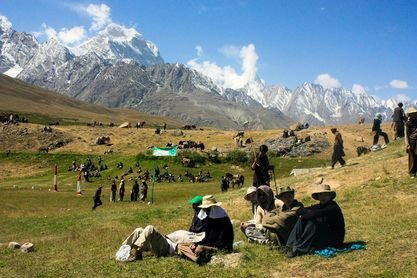
The Boroghil Festival
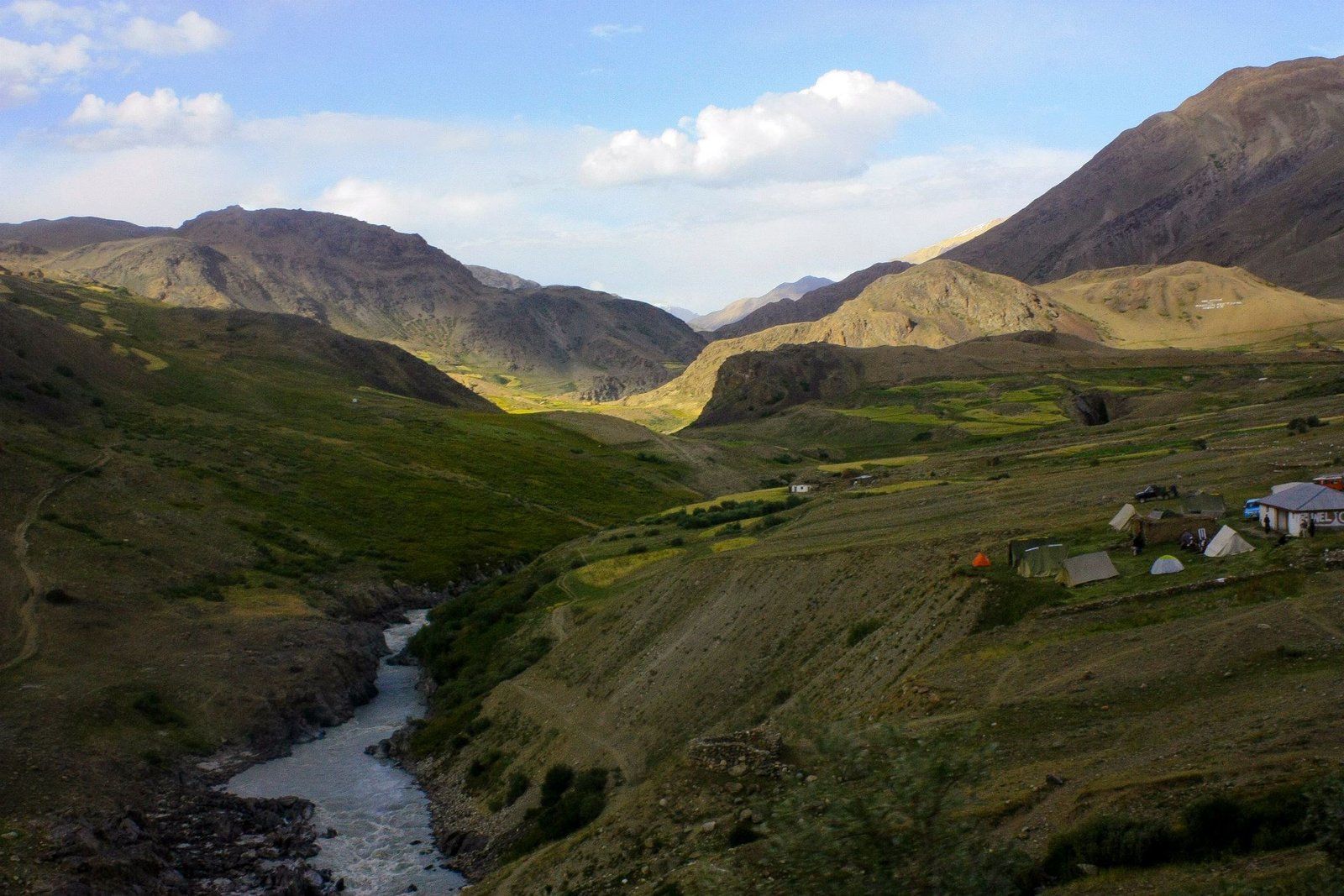
The Boroghil festival is held from 15 to 17 July at the famous Boroghil plateau at the summer settlement of Shuwor Sheer 3690m. This is yet another annual festival added to the calendar of events in Chitral. The level grassy Shuwor Sheer ( or Shua Suwere) is situated at the junction of the Chianter glacier, the Zindikharam pass to Darkot and Yasin, the Kurambar pass down into Iskhumnan and the Darwaza pass into the Wakhan corridor.
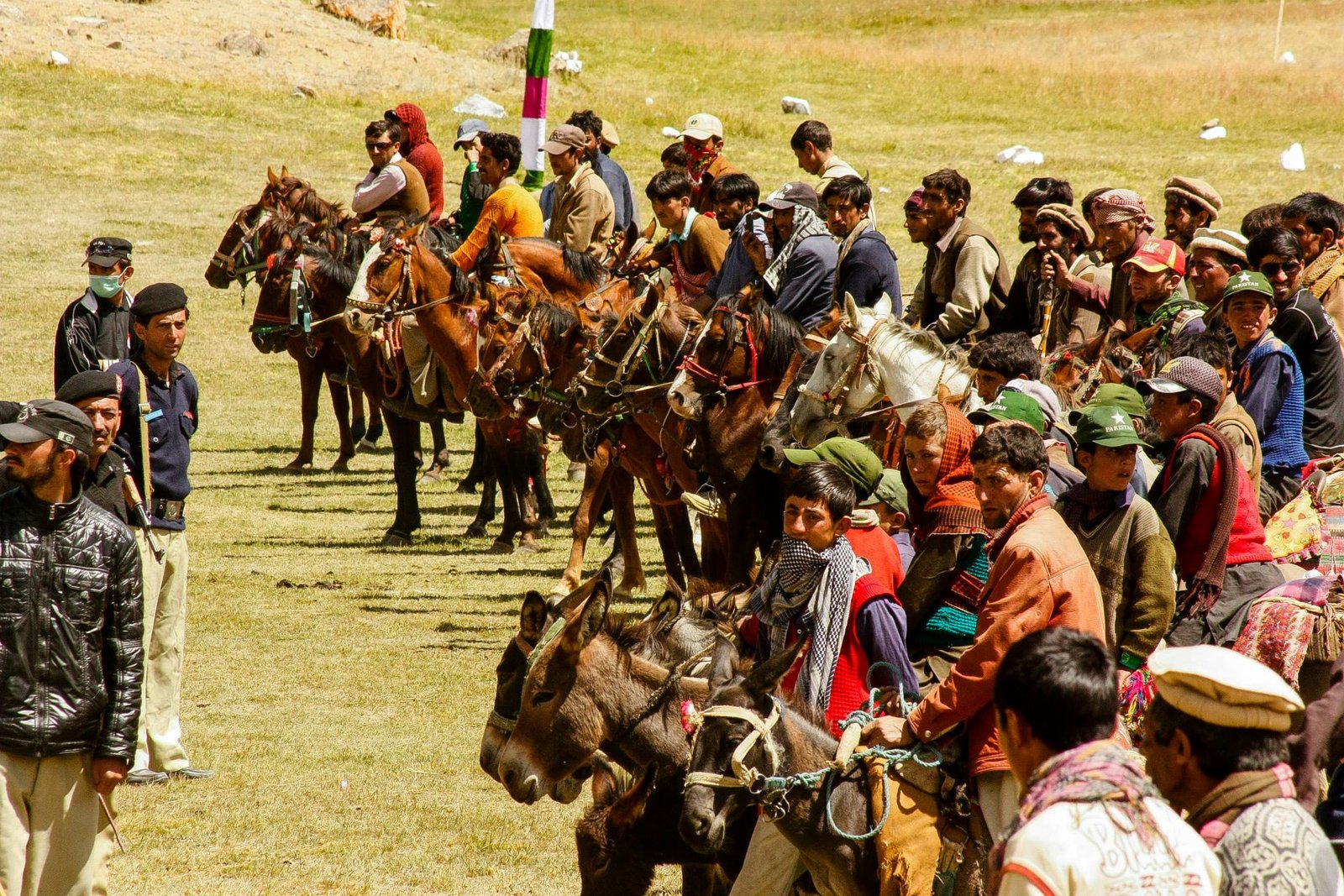
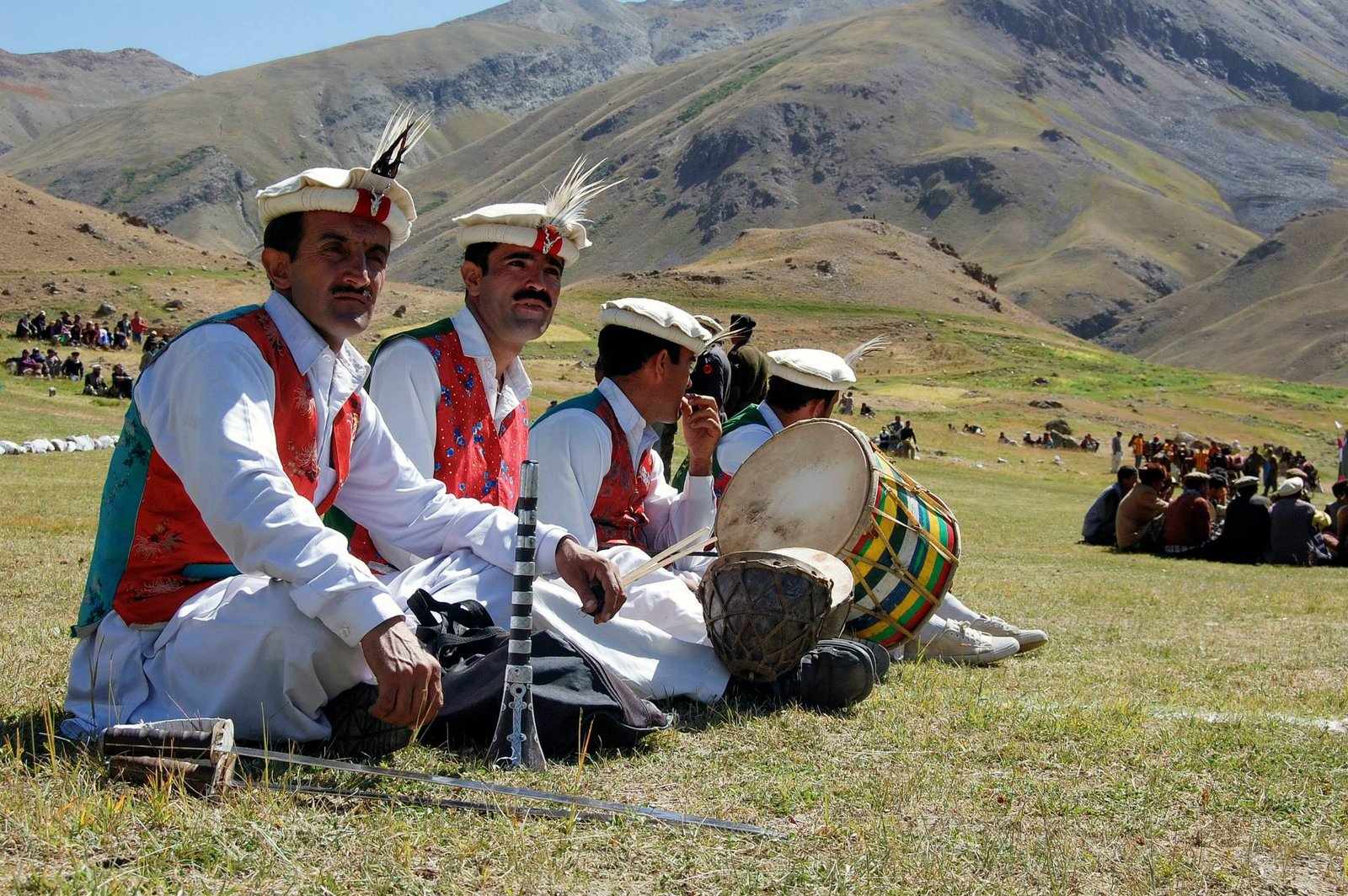
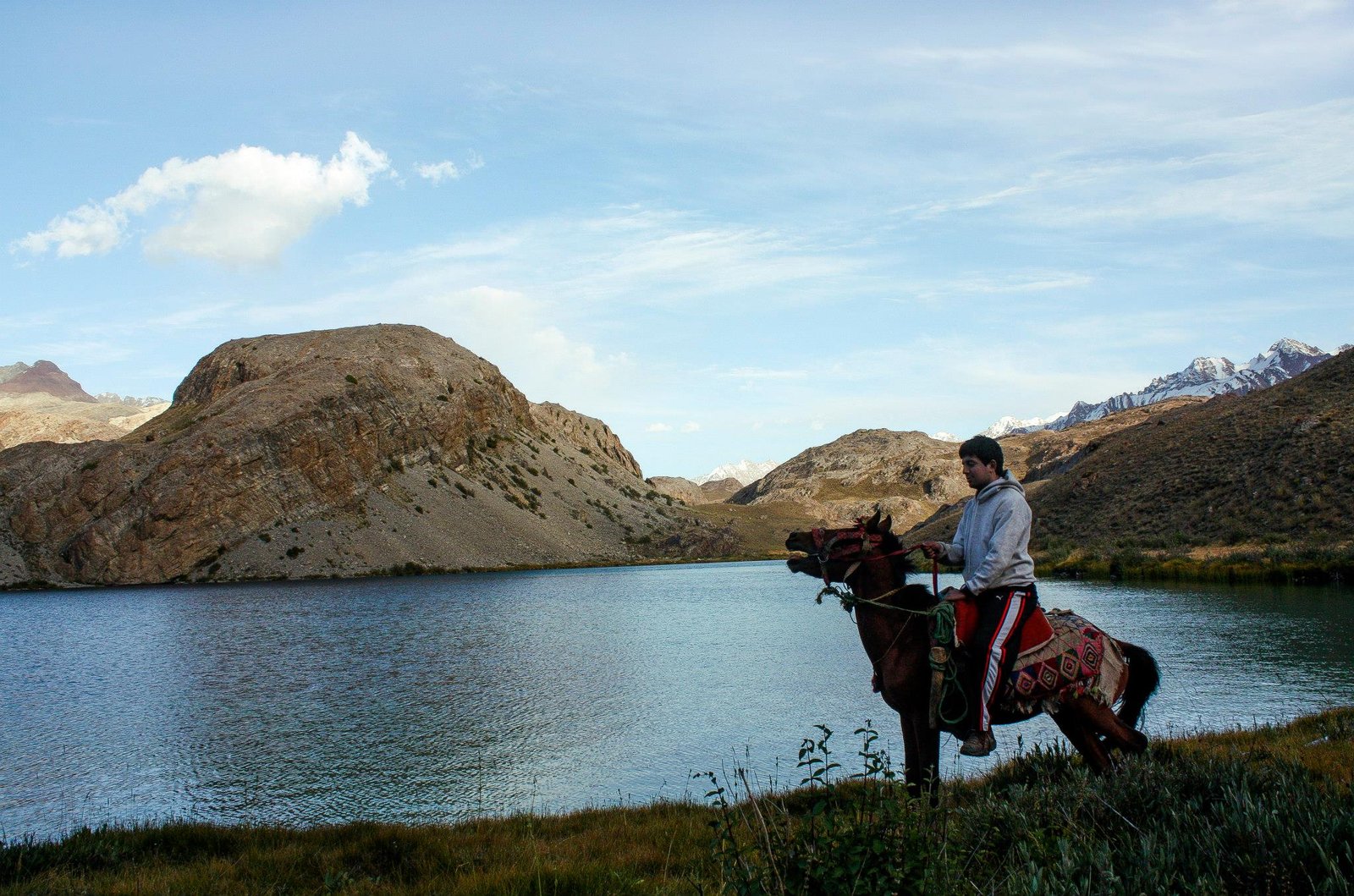
The salient feature of this festival are various events like wild mountain polo, Horse race on the wide pastures, Yak Polo and Yak race the only event of its kind in the world, Buz Kashi, and traditional music in the evenings. Close by are various summer settlements like Yirgot Maidan ( bearded vultures plain ) and Top Khana and lower down Lashkargah Goz the home of the famous leader of the area , the late Mirza Rafi. On Hindukush Trails first trekking reconnaissance into the area in 1989 , Mirza Rafi accompanied us and talked about how he wanted to preserve his culture and traditions. Boroghil was then closed for foreigners and there used to be a sign board at Mastuj saying. NO FOREIGNERS BEYOND THIS POINT. It took us some effort to convince the authorities that this was a lovely peaceful area and should be opened for tourism , our trekking groups helped create new opportunities for the locals. Mirza Rafis son Umer Rafi now promotes the cultural activities of the area. The Wakhi Sirikuli ,Tajik & Kirghiz tribes who are scattered over the Boroghil in Pakistan & Wakhan corridor in Afghanistan find this festival a wonderful opportunity to exchange pleasantries. It is an occasion where families meet, news shared and marriages formalized. The area offers the pristine turquoise Kurambar Lake at 4620m a stopover for migratory birds from Russia and Central Asia . Rising above the lake is Zhoe Sar peak climbed by many Hindukush Trails clients, close by is Chianter glacier the source of the Chitral river.
This is a festival of traditions, fun and excitement on the high pastures and Yakati Yak on sturdy yaks.
We organize package tours to all festivals in different regions of Pakistan.
Jashan E Chitral
The Jashan-e- Chitral is celebrated from 15 to 22 September each year.
This is a week long festival of cultural activities and traditional sports of the mountain communities of the Hindukush & Karakorum region.
This festival has been revived after 20 years through initatives from CAMAT ( Chitral Association for Mountain area tourism ). The festival involves organizing the event through community participation and volunteers taken from different sections of society .
The ex-state of Chitral encouraged Jashan e Chitral and other cultural activities. Besides traditional sports music and polo were events where teams from different administrative units took part. The winning teams in all events were honoured with privileges. The Jashan was given large publicity and provided an opportunity for the different communities to come closer to each other . In the Jashan various indigenous events were arranged such as poetry, sitar music and traditional sports. Later, due to lack of patronage in the 70s the Jashan could not be held for many years. At the same time imported sports got introduced through the electronic media. CAMAT (Chitral Association for Mountain Area Tourism) realized there was still time to revive the traditional sports. The Chitrali elders and youth were motivated and Jashan e Chitral is now revived.
Each year the following events are scheduled:
- Traditional dancing and singing
- Archery contest between Nuristani tribes
- Swimming across torrential rivers
- Rock climbing at ShaSha cliffs
- Rafting down Chitral river
- Wild mountain polo , horse races and Buz Kashi
- Traditional wrestling and tug of war
- shot puts Wrestling on wooden logs placed high over water
- Sitar music, Mushaira and local Drama
- Traditional handicrafts on display
The Jashan is now attracting enthusiastic domestic and International tourists. This is an annual event on fixed dates so you can plan it in your itineraries.
Hindukush Trails runs regular trips to these festivals with private homes stays to get to know more of the people and their culture and a chance to taste traditional local cuisines which you miss out while staying in hotels.
We organize package tours to all festivals in different regions of Pakistan.
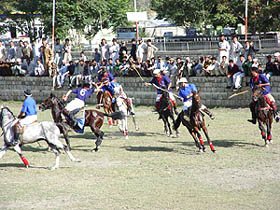
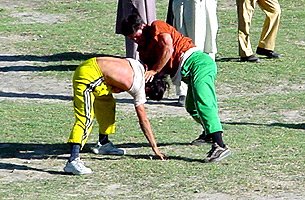
The Sibi Festival
Since the 15th century the tribes in Baluchistan annually met at Sibi to discuss their internal feuds. This meeting to decide the fate is know as Jirga. The tradition continued till the 17th century when large caravanserai were built to accommodate the tribal chiefs and their colourful entourage . During the British empire in 1876 Sir Robert Sandeman was appointed agent to the governor general in Baluchistan and in 1893 the Durand line between British India and Afghanistan was fixed. To avoid the bloody feuds amongst the warring tribes Sandeman encouraged the annual Jirga
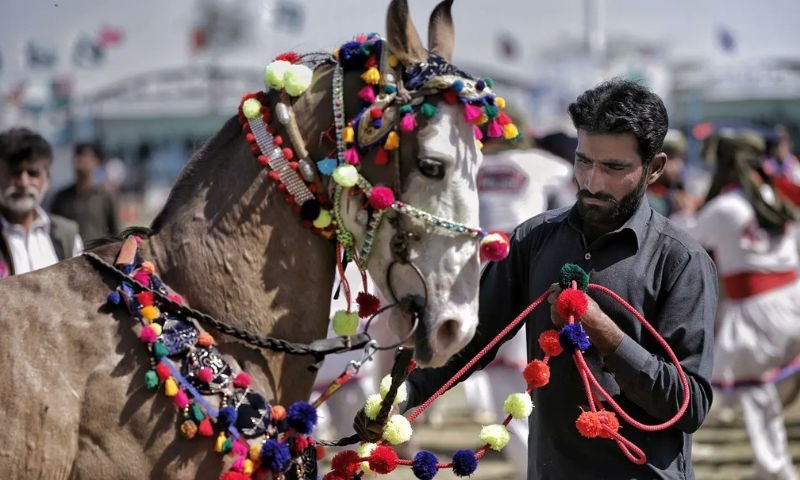
The Jirga still takes place today as the Sibi Mela to promote an annual gathering of tribes to exchange views and develop camel , horse and cattle breeding in the area besides promoting handicrafts. The festival lasts for almost a week in mid-February and marks the beginning of spring, with tournaments, exhibitions, and trading . Thousands of the best camels from the deserts, horses and cattle from villages are brought to the show and tended by colourful tribal people. The fair attracts Balouch tribal elders besides important figures from all over Pakistan, as well as tribesmen from the surrounding areas, and is an excellent place to shop for local Baluchi handicrafts.
We organize package tours to all festivals in different regions of Pakistan.
Horse and Cattle Shows
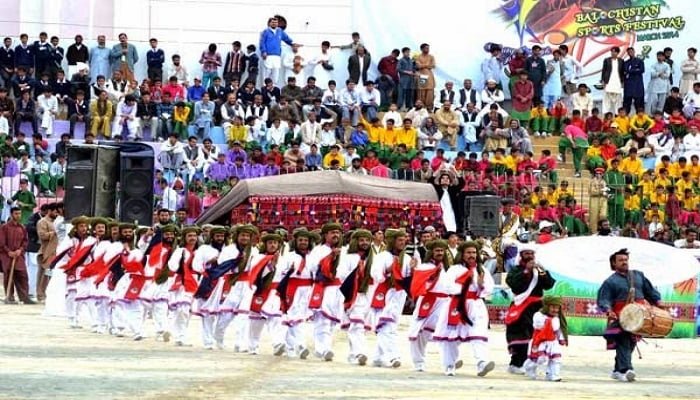
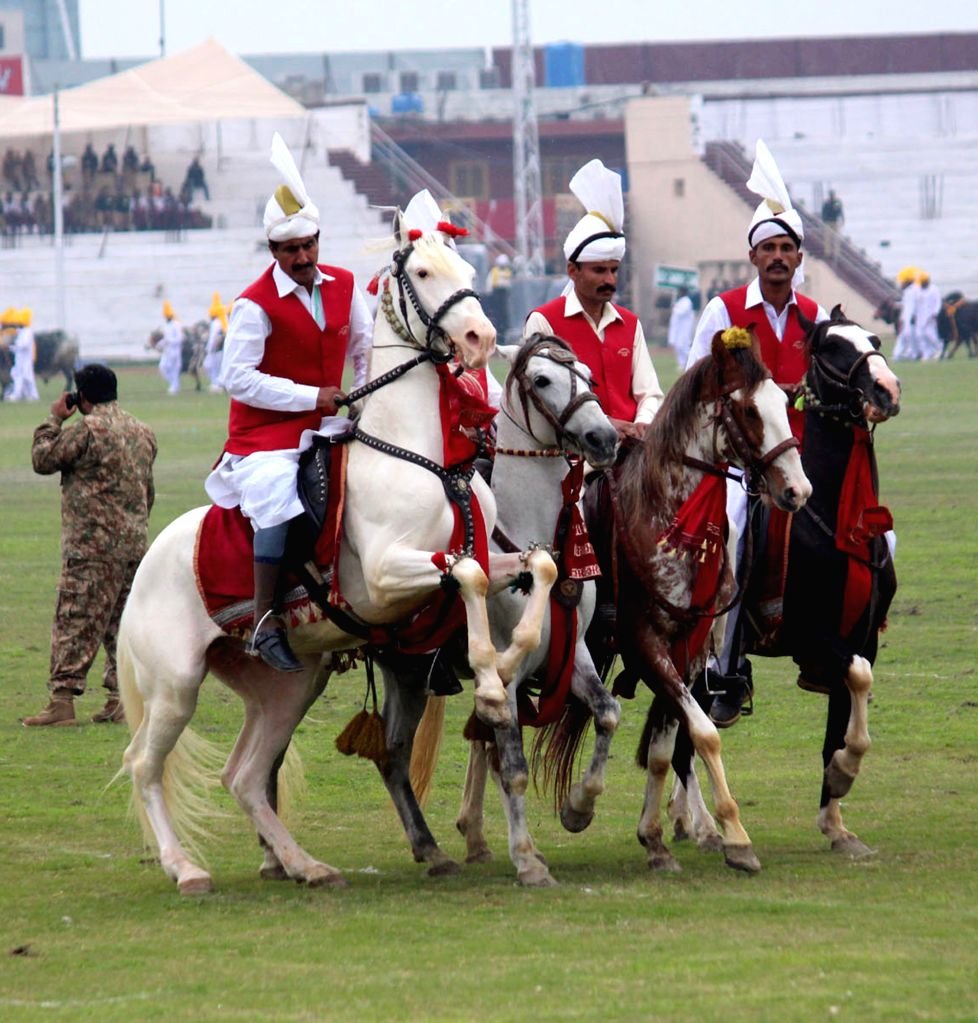
From February till March horse & cattle shows are held in different agricultural centers of Pakistan. The famous ones being at remount stadium Sahiwal horse show , Dera Ismail Khan horse and cattle show, Sibi mela and Lahore. Such shows are held to provide an opportunity to breeders to exhibit their stock and ex- change views and learn about cattle and horse breeding.
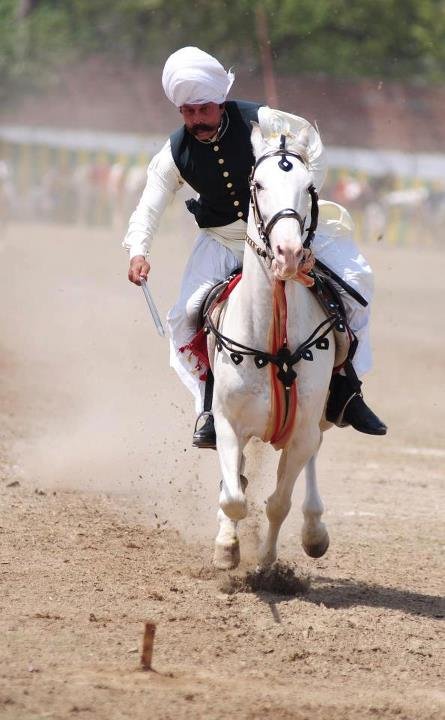
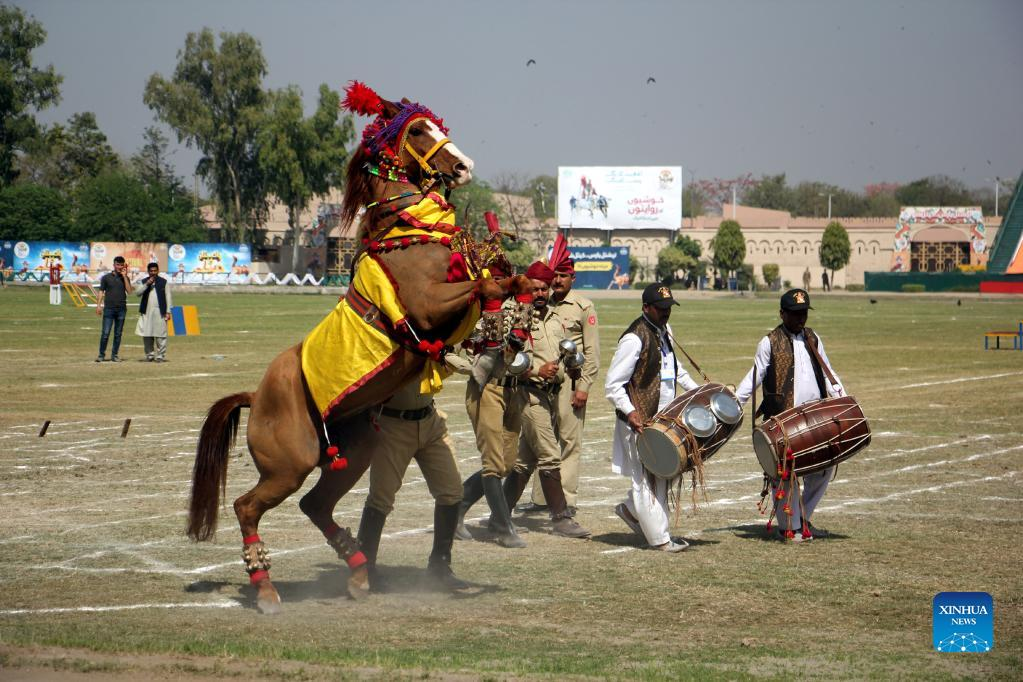
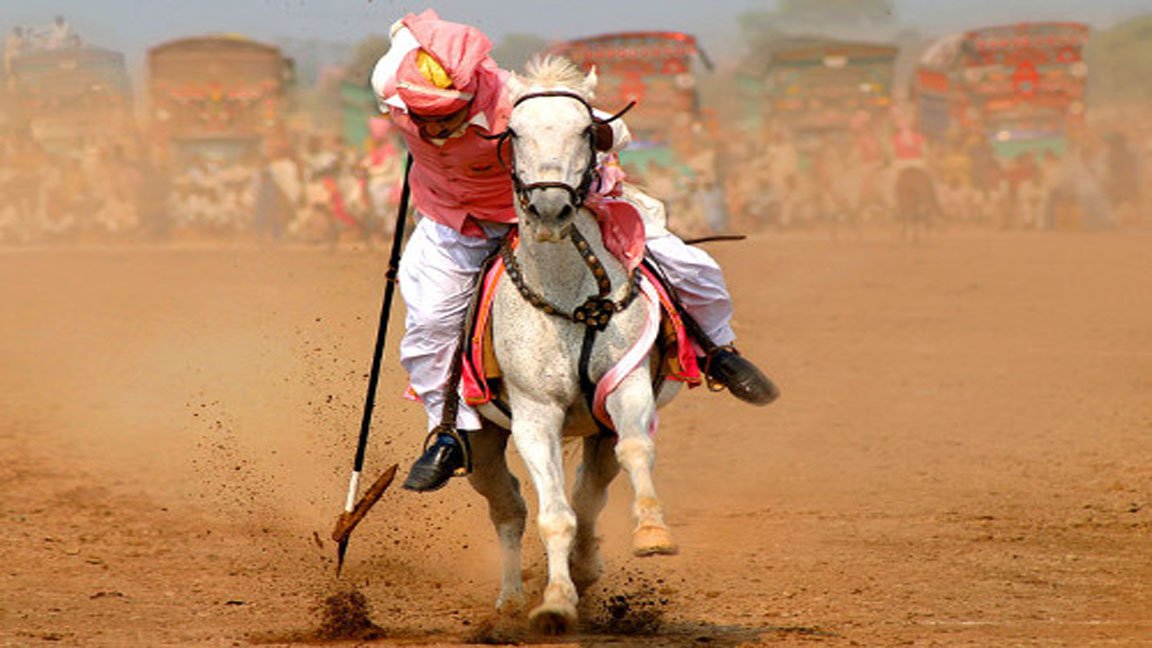
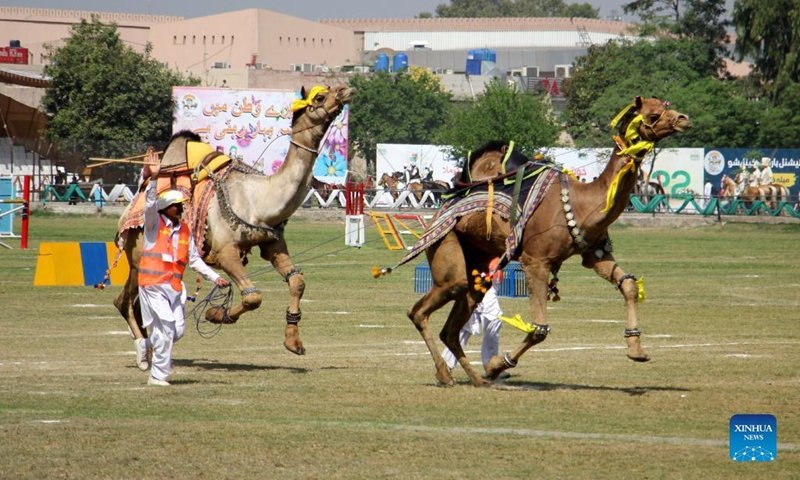
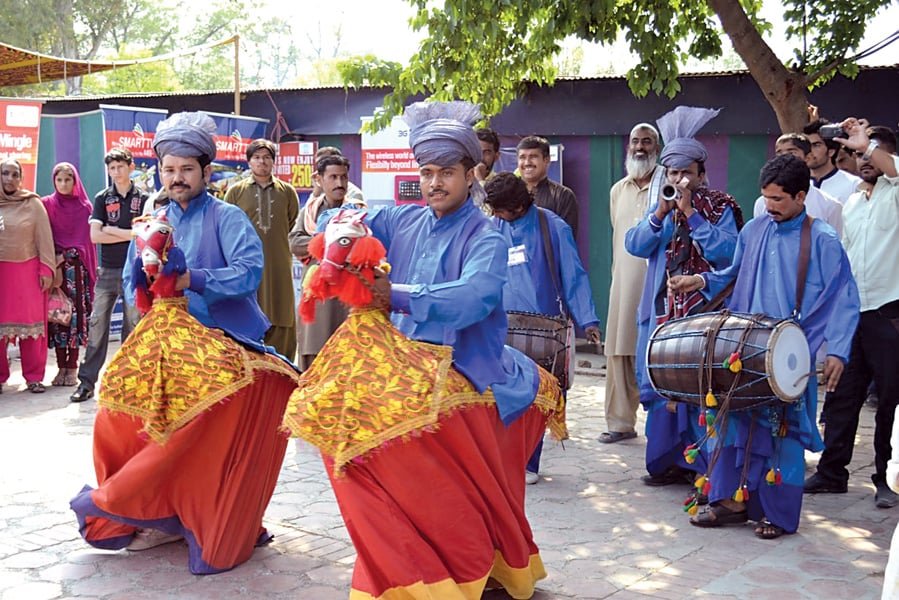
The National horse and cattle show in Lahore is held at the Fortress Stadium usually in end feburary early march. The festival features livestock from all over Pakistan, as well as folk dancing , camels and horse dancing displays, traditional music, Military pipe bands give a colourfull display,. There is tent-pegging competitions between different regions, games and handicraft exhibitions are held.
Dates of these festivals are not fixed and need to be coordinated with us.
We organize package tours to all festivals in different regions of Pakistan.
The Basant Festival
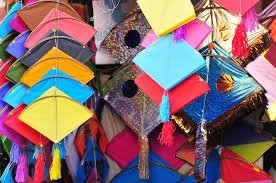
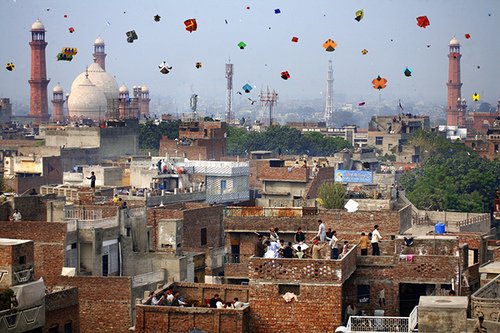
In early March to welcome the arrival of spring the Basant ( Kite flying ) festival is held in most cities of the Punjab with the highlight in Lahore . In the subcontinent and China kites have been used in different form since ancient times. From 100 BC to AD 500, kites were used for sending signals and to measure the distance of enemy camps. In AD 930, the Japanese mentioned Shiroshi, meaning paper bird, for the first time. Between AD 960 to AD 1126, kite flying became a popular sport in China. The ninth day of the ninth month was a day when kites were flown to banish evil.
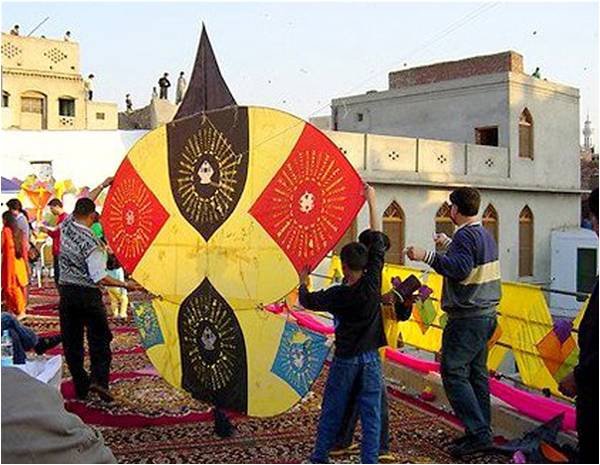
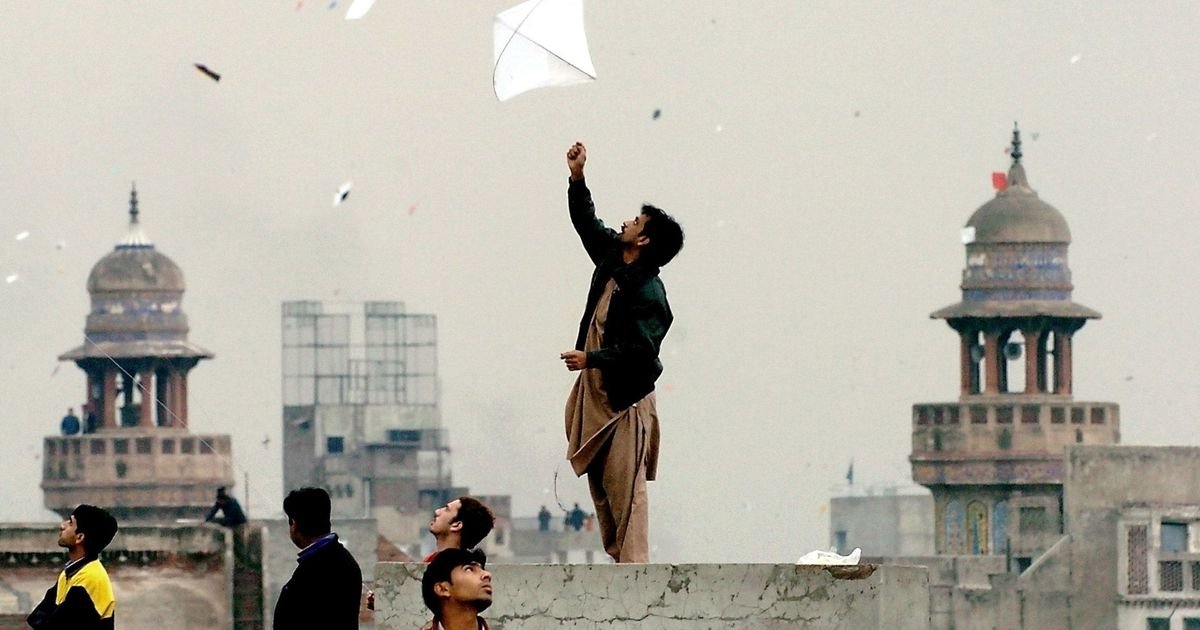
In Pakistani towns and cities, where there is less open space, terraces and rooftops are often used for the kite competations. It is more colourful in the old city of Lahore where everyone wears yellow clothes and flies kites from the rooftops. People from different cities throng to Lahore, where kite flying begins at dawn and continues until the dusk. Friends, neighbors and visitors battle one another for victory and cries of triumph fill the air when one cuts the kite string of the another kite flyer. The kites are in a variety of shapes , size and different colours. From huge kites which need three to four people to fly to tiny ones for the kids. Ground glass coats the kite strings to cut down rivals, and excitement reaches fever pitch in the many kite battles throughout the city.
Colourful gates are built at all entries including airport, railway station, Ravi bridge, Minar I Pakistan, Thokar Niaz Beg, Chungi Ammar Sadhu and Motorway toll plaza to greet the people reaching Lahore. Gowalmandi food strret, Old Anarkali tourist street and Gulberg main boulevard are decorated in connection with Basant festival.
Kite flying is just one aspect of this spring festival which opens up with a colour ful ceremony featuring performance of 16 army bands, folk dances of Punjab, displays of brass band, fireworks, acrobatics and stall of traditional foods and artisans at work. The festivities simultaneously run at Jilani park, Minar I Pakistan and Gulshan I Iqbal free of charge for the public who gather in large numbers. Cultural troupes from other provinces besides Punjab along with foreign music groups perform at Jilani park with some of the events as :-
- Free music programmes are presented at Tourist street, Old Anarkali, Jilani Park, Mini Tollinton Market and National Bank Park on Basant night.
- A colourfull Basant Rang music programme is presented at Noor Jehan Hal of the Alhamra Cultural Complex Qadahafi Stadium.
- All Pakistan Kite flying championship at Iqbal Guddi ground.
- Kite flying competition for film artistes is held at Jilani park.
- A dog show is held at Jilani park.
- A flower arrangement competition is held a Jilani park
- A show of pet birds at Gulshan I Iqbal park. Tableau and songs competition amongst school children is held at Jilani Park.
- A poetry mushaira competition with theme Spring in the air is held.
- A painting competition amongst schools and displays is held.
The spring festival concludes with the Lahore parade which starts near the Qadafi Stadium and concludes at Jilani park. Floats prepared by different groups, school bands, skaters, cyclists, folk dancers and people attired in different traditional dresses of Punjab participate in the parade. The closing ceremony is followed by a colourful musical programme.
We organize package tours to all festivals in different regions of Pakistan.
Lights Festival - Mela Charaghan
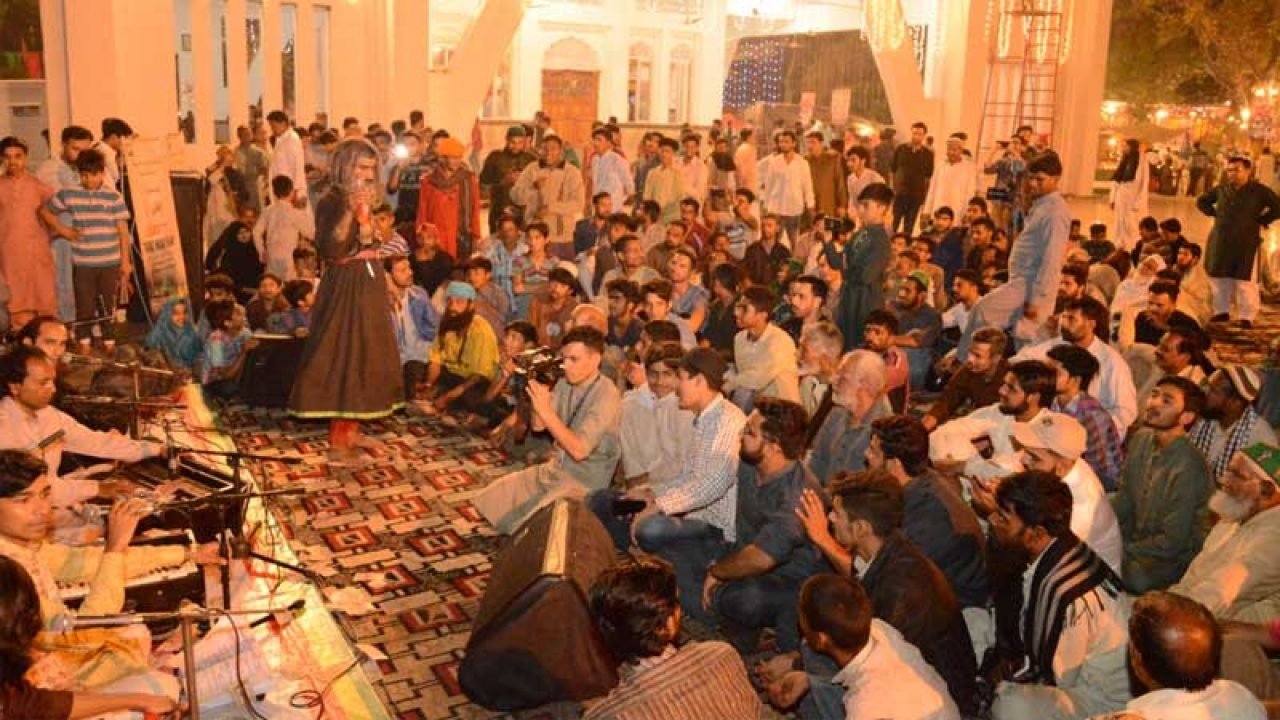
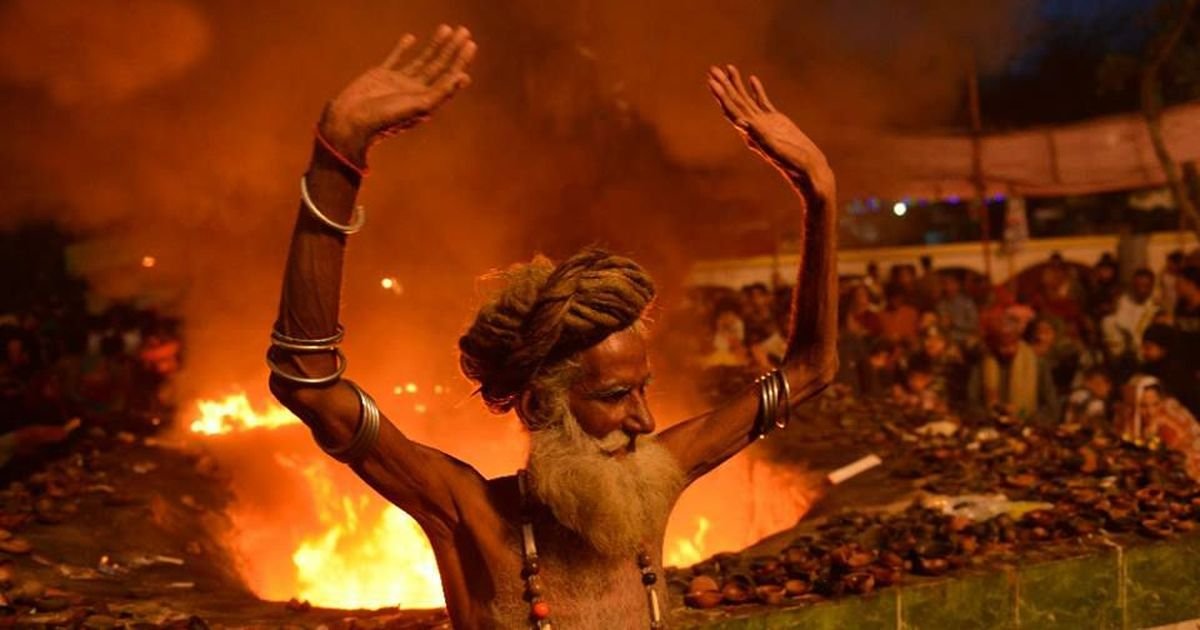
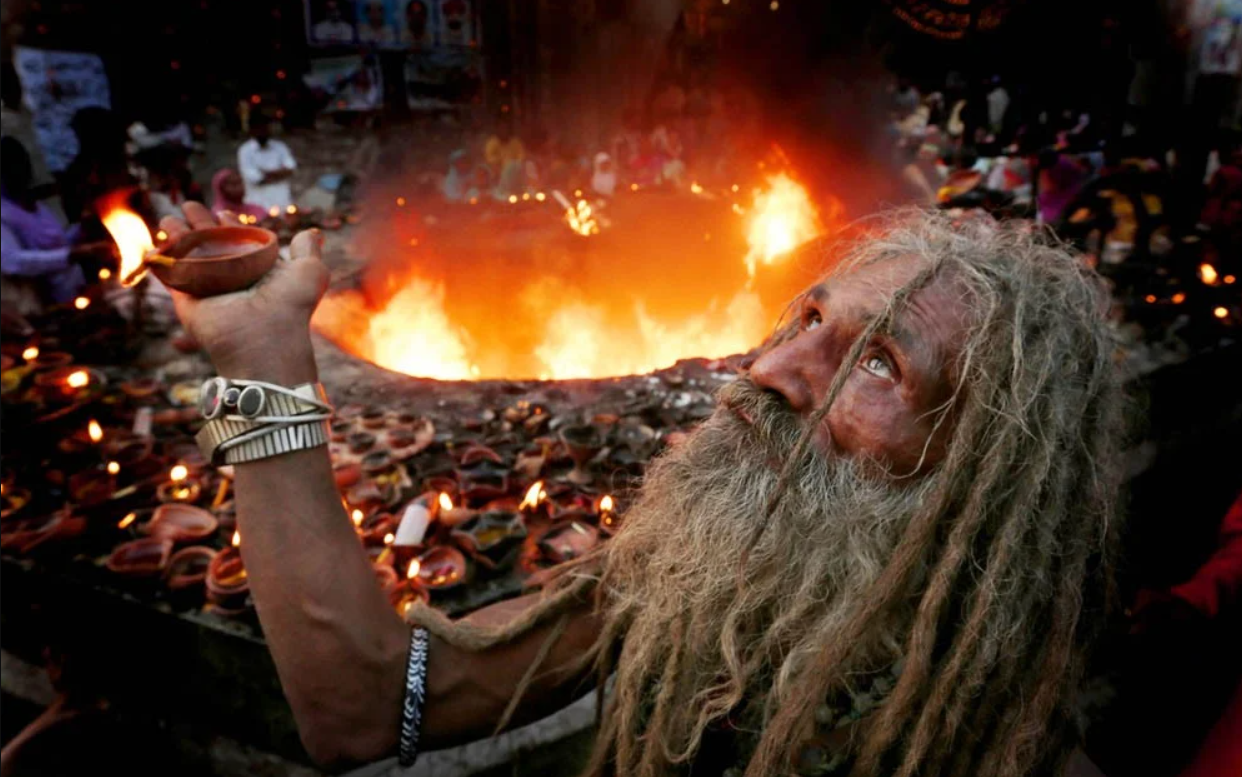
Mela Chirghan (Festival of lights) is held to honour the mystic and folk poet Shah Hussain who died in 1599, and his friend Madho Lal Hussain who is buried with him, the latter having converted to Islam from Hinduism. People from all over Punjab, including peasants and fakirs gather near the Shalimar Gardens on the huge esplanade, where the mausoleum is illuminated with lamps on Shah Hussain's death anniversary. This and the arrival of Spring is greeted with music, dancing, sports and magic shows.
Dates of these festivals are not fixed and need to be coordinated with us.
We organize package tours to all festivals in different regions of Pakistan.
The Artisan at Work Festival
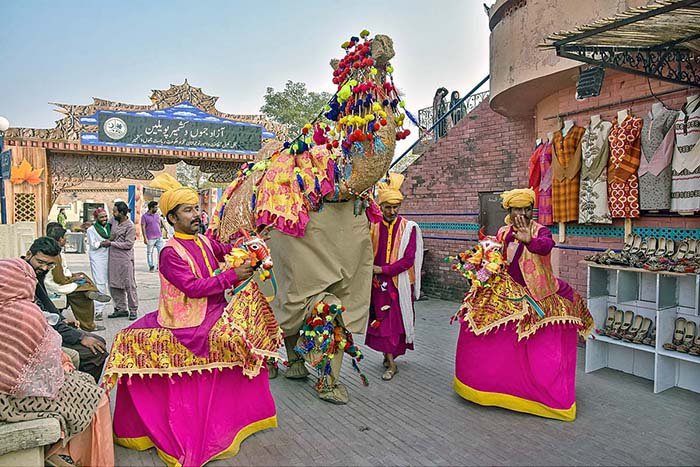
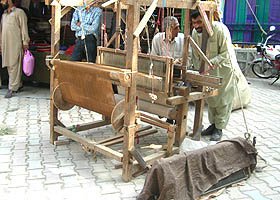
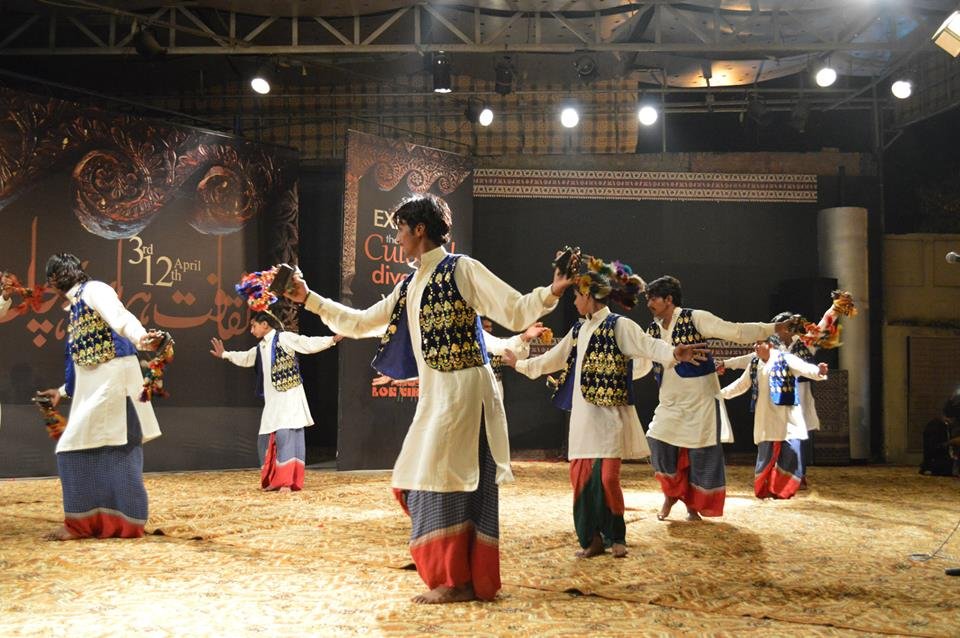
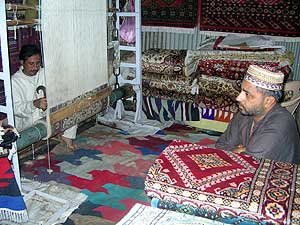
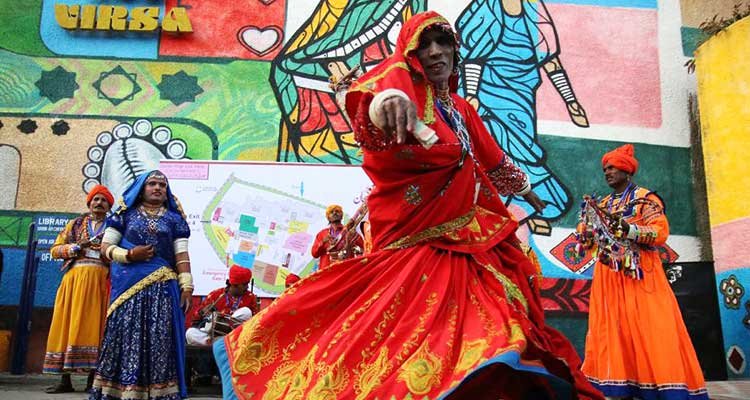
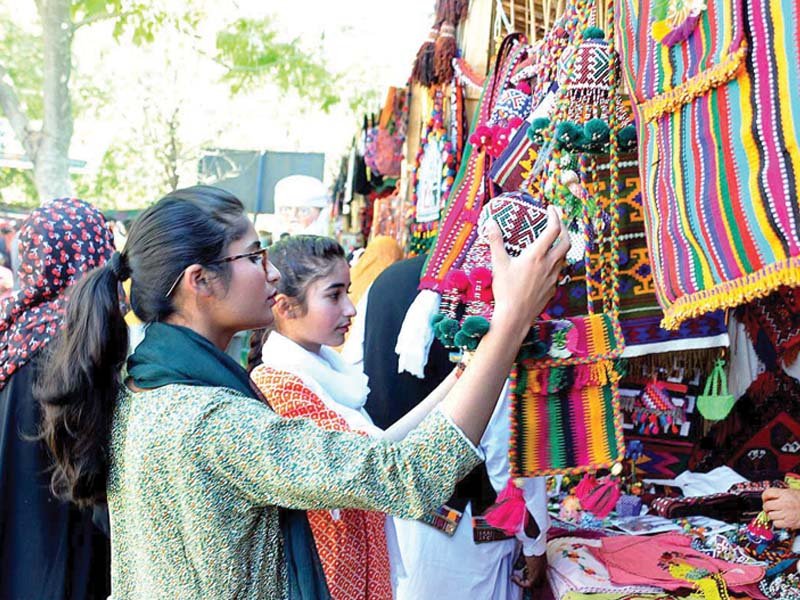
The Lok Mela also called the Artisans at work Festival is held annually , dates vary each year so you need to check with us. In the festival you can get to see skilled artisans at work, creating beautiful handmade items for decorations and house hold use, various colourful folk dances of different regions of Pakistan, hear songs that have been sung and music that has been played for generations and taste traditional foods from different parts of Pakistan.
Bringing colourful display of craftsmanship and skill, more than 500 local artisans, musicians and craftsmen from all parts of the country participate in the festival besides different countries from around the world send their artisans and performers to the festival too.
The stalls set up by the artisans are lit with the colours of exotic fabrics and crafts, Each province is represented in different pavilion with displays of, shawls, namda and gabba Ajrak, earrings, necklaces of gleaming stones , rugs , carpets, leather embroidery, crafts using date leafs, glittering metal crafts of brass and copper, stone carving on slate in diversified fashion used on table tops, planters, wall hanging , lamps trays .
Skilled craftsmen shape clay pots and baskets for visitors while others carved exquisite designs into wooden chairs, slates, metal and tiles. Each year the best artisans in honoured.There is non stop folk music and dancing performances from different folk groups of Baluchi, Punjabi , Sindhi, Cholistan, Khatak, Kalash Chitral and northern areas.
There is a rural village atmosphere in the colourful festival which a lot of foreigners to the event.
We organize package tours to all festivals in different regions of Pakistan.
Baisakhi Festival
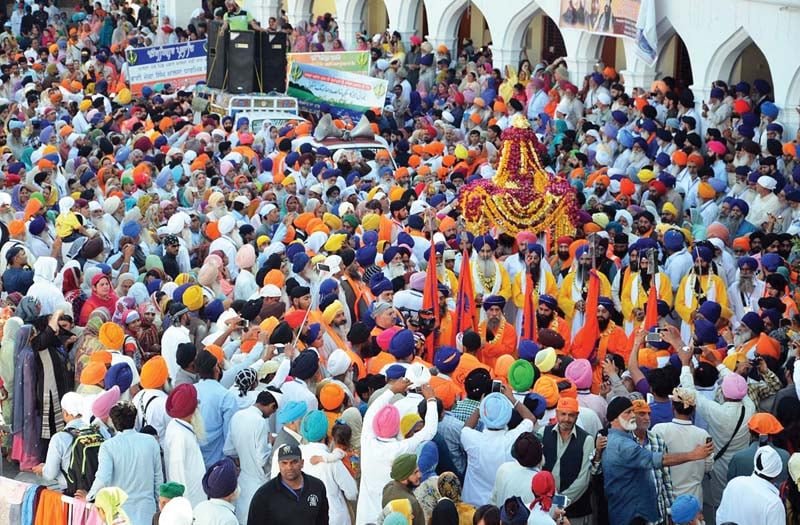
Baisakhi is the day on which the Sikh Nation, the Khalsa (The Pure Ones) was born and Sikhs were given a clear identity and a code of conduct to live by. The event was led by the last living Guru, Guru Gobind Singh Ji, who baptised the first Sikhs using sweet nectar called Amrit. Around the world at Baisakhi time, Sikhs reflect on the values taught to them by their Gurus and celebrate the birth of the Khalsa.
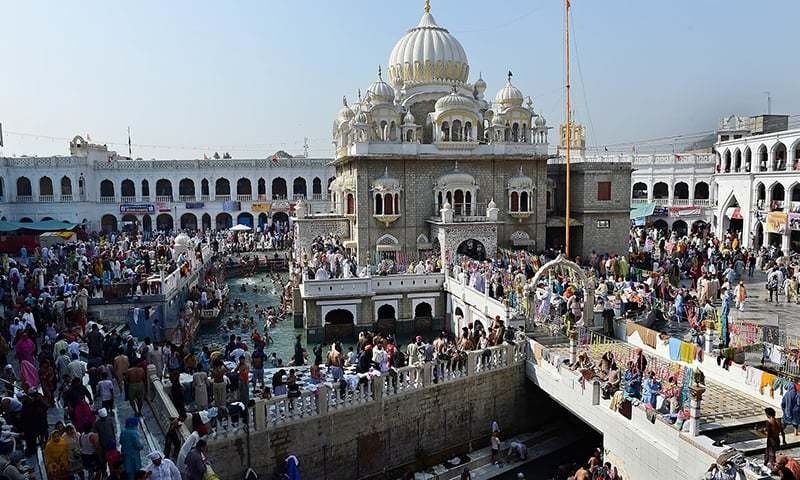
In the second week ( 12 to 14 April ) the Baisakhi Festival is held by the Sikh Community at the Panja Sahib Gurudawara in Hasanabdal near Taxila. About 10,000 Sikhs yatris arrive from all over the world to celeberate the festival.
According to tenets of the religion, Besakhi can only be celebrated in the city of Hasanabdal, where Gurdwara Purnja Sahib is located .In 1921, it was decided by the elders of the Sikh religion to celebrate 'Besakhi' on the first day of Sanskrit month of Besakh, in memory of the day of the first Besakh in the year 1699, when the 10th Guru of the Sikh religion initiating the first five people into the Khalsa
Legend goes, Guru Gobind Singh, had organised for followers from all over India to meet him at the Basakhi Fair in Anandpur in 1699.
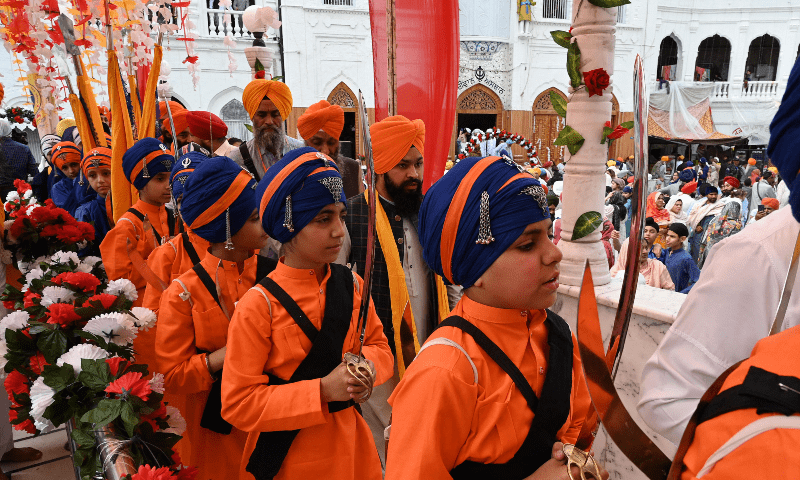
At the gathering when Guru Gobind Singh emerged from a tent with a sword, he asked for volunteers to offer their life for his faith. A young Sikh volunteered, followed the Guru into a tent. Shortly after, the Guru reappeared alone with his sword covered in blood, and asked for a second volunteer. Another Sikh stepped forward and again the Guru took him into the tent, and re-appeared alone, his sword covered in more blood. This was repeated for a third, fourth and fifth volunteer. The crowd became very unnerved, as many believed that the Guru had killed the five Sikhs. He soon came out of the tent again, this time followed by all five Sikhs who were alive and well and dressed in turbans and other symbols that have since become symbols of Sikh identity. He called the five Sikhs the Panj Pyare - the beloved five.
Then the Guru put water in a bowl for sprinkling over the five in a simple initiation ceremony. He said prayers as he stirred the water with a short steel sword , symbolising the need for strength. The Guru's wife, Mata Sundri, then came forward and placed some sugar crystals into the holy water or amrit as a reminder that strength must always be balanced by sweetness of temperament. After completing his prayers, the Guru then sprinkled the amrit over the five.
He declared them to be the first members of a new community of equals, to be called the Khalsa, meaning "pure". These "saint soldiers" were to dedicate their lives to the service of others and the pursuit of justice for people of all faiths. The Panj Pyare were asked to wear five distinctive symbols of their new identity, The five Ks
In a move to end social divisions the five dropped their surnames - traditionally associated with one's caste - and took the common name Singh, meaning "lion", a reminder of the need for courage. At the same time, the Guru gave Sikh women the name or title Kaur, meaning "princess", to emphasise dignity and complete equality.
The Guru then knelt before the five and asked them to initiate him. Hence, the Khalsa became a community in which master and disciple were equal.
For Sikhs, this seasonal festival also has great importance as the founding of the (Soldiers of the Timeless One) at Anandpur Sahib, the famous Golden Temple of Amritsar , India. The Akal Khalsa played an important role in resistance against Mughal rule This act of total surrender of one's life to the service of the AKAL(God), the Timeless One, and at the feet of Guru Gobind Singh created the Sikh religion. For many centuries after that, the first male child of many Hindu families in Punjab was ordained as a Sikh.
We organize package tours to all festivals in different regions of Pakistan.