Wildlife and
Botanical Walks
Hindukush Parks, Flora & Fauna
The Hindukush has a wide variety of plant species, particularly higher up amongst the summer pastures, where wild blue geraniums, hemlock, buttercups, edelweiss, blue anemones , delphiniums, carpet the meadows and mountain slopes. There are wild onion , a number of perennial herbs besides wild rose , wild strawberry and many medicinal plants. Most flower between May and July, depending on the altitude.
In spring time the Chitrali loves to adorn his cap pakol with the alpine primrose they locally call milkhon.
Forest reserves are limited to about 120km of the valley between 1900m and 2300m. Species include the Deodar (Indian Cedar) a magnificent tree some of them 1000 yrs old with trunks 12 meters in circumference, Blue Pine, Chilgoza Pine and Silver Fir, of which Deodar represents 90% of the forest cover and the only viable source of timber, although its slow growing (125 years of maturity) and susceptible to cracking. At higher altitudes there are stands of Willow and Birch and some Juniper scrub, the lower slopes are covered with ever green holly oaks.
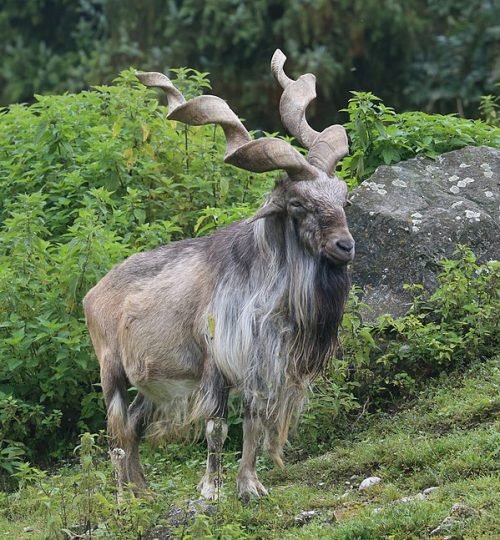
Various endangered animals and birds are found in Chitral such as Markhor, Bharal, Ibex, Brown Bear and Snow Leopard. These species were once found in the higher valleys in considerable numbers but their populations have been much reduced by indiscriminate hunting.
Chitral has the largest population of the magnificent rare Kashmir Markhor (Capra Falconeri Cashmiriensis). It is rightly called "The Monarch of the Mountains ", and is much sought by trophy hunters.
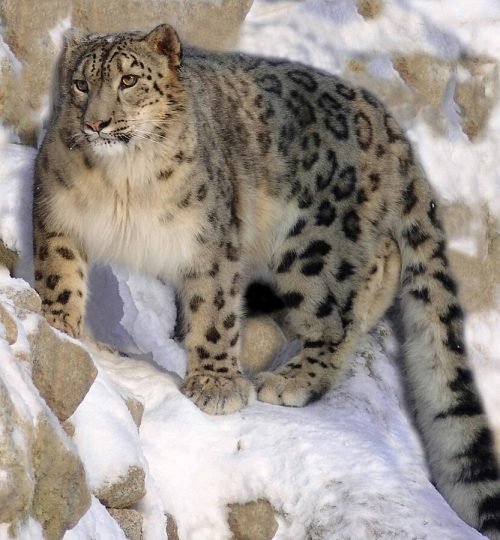
Snow Leopard - Panthera uncia Of all the large cats the snow leopard is perhaps the most beautiful. This endangered species lives a solitary existence in summers at heights of around 5200m descending into the lower mountain valleys of Chitral in winters to around 1500 to 2000m.. It travels and hunts over a very extensive area with its pelage merging imperceptibly with the grey rocks in the arid alpine regions of Chitral. It is always difficult to sight, it inhabits Chitral but one has still to make efforts for sighting . At times it is so elusive that one needs to put a bait out. Once an ibex or goat kill is made one can easily photograph it . On numerous occasions we have sighted it stalking the Markhor. We can give you an 80% to /90 % chance to site it.
Chitral Gol National Park It was established by my grandfather H.H Sir Shuja ul Mulk as his private game reserve in 1910.The present owner being the last ruler Prince Saif ul Mulk. The area covers 7,745 hectares with old cedars, pine oak, juniper and birch forests. The Park is the private property of Saif ul Mulk but the wild life department is now looking after the game in the park since 1979. Although the officials from the government mention black bear in the park but none exist. There is a good herd of about 400/500 Markhors with snow leopard, wolf, marmot and weasel in it. The park is also rich in bird life such as Monal pheasant, Falcon, Hawk, Eagle, Lammergeyer, snow cock, chukar and many other species. On many occaisions I have viewed Eagles hunting the snow cock in the valley.
Wolves, foxes, jackals, hyenas and marmots are still common. A number of migratory birds, including the Black Throated Thrush, Golden Oriole, Oriental Turtle Dove Grey Heron, and different species of waterfowl pass through the valleys en route between Central Asia and India. The hunting of these birds, ducks in particular, is a major problem. In many of the valleys of upper Chitral, hunters use large artificial ponds by the riverbank to attract migrating ducks. On landing they become an easy target for shooting. The practice is deeply rooted in Chitrali culture and remains popular today; the advent of shotguns meanwhile has radically increased the numbers killed. The Saker Falcon is also hunted, although primarily for capture and sale in the Middle East, where falconry is a popular sport amongst the wealthy. A good female Saker Falcon can fetch as much as US $ 50,000.
Every year from September to April about 60% of Pakistans waterfowl pass through Chitral. Numerous species of ducks and geese pass through Chitral during their migration to and from Siberia. There are a number of high altitude lakes, which provide rest areas during the migration. Besides ducks and geese a variety of wading birds such as herons, terns, gulls and shore birds along with king fishers, wagtails and diving grebes can be spotted. Himalayan Snow cock, Monal Pheasant, Chukor, Lamergayer and the Turtledove along with the quail, breeds in Chitral.
Northern Pakistan Parks, Flora and Fauna
Northern areas of Pakistan lies between 32 and 37 N and 71 and 75 E and covers an area of 43,781 sq km.
The landscape is dominated by high peaks, glaciers, river valleys and plateaus linked with passes. As you rise in elevations you pass through a series of vegetation zones from steppe to temperate coniferous zone to sub alpine and alpine zones with a diverse plant and animals life. Here temperatures varies with elevation, with a marked difference in daytime and nighttime temperatures in all seasons. With melting glaciers the main rivers rise considerably during summers carrying 20 times more water than winters , cutting , eroding and reshaping the landscape.
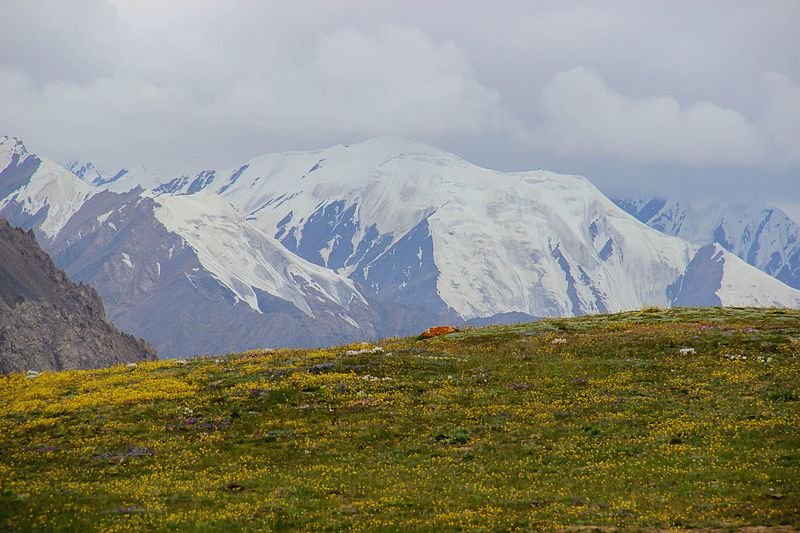
Precipitation increases with elevation, from desert like condition on low valley floors to moist, dense forests on shaded higher slopes on the southern side of the mountain ranges that receive the summer monsoon rains. Mostly forest cover is scarce with oak forests in the dry temperate zone there is a variety of shrubs like scented artemisia, blue and white globe thistles, berberis , tamarisk and buck thorn . Between 2100m and 4000m there is fir , spruce , Himalayan cedar, silver fir and two species of juniper along with birch, willow . Where the snow line recedes colourful flowers appear, literally carpeting the meadows for the short summer months in saxifrages, pea flowered astragalus, spurges, stonecrops, edelweiss,, rock jasmines, potentillas, anemones, primulas lousewort alpine campion and gentians.
Large mammals are seen only in protected game reserves and sanctuary as human pressure have confined them to these pastures. Trekkers are likely to see, marmots, hares, foxes, ibex , bharal blue sheep and bears in higher mountain regions of Baltistan in the Karakorum range, the Haramosh range and the Deosai plateau. The ibex and Bharal sheep can be sighted in the arid mountain regions of Gilgit and Baltistan they live well above the tree line from about 3500m to 5000m. In Shimshal the population of the blue sheep has increased considerably to around 2000. It is a magnificent site to see the rams fighting during the rut when they rear up their hind legs before striking sideways with their horns. Brown bears can be seen in the Deosai plains which is declared as the Himalayan Wildlife Sanctuary. Wolves, lynx inhabit the alpine zone . Larger birds especially raptors are easily spotted. Alpine and moraine lakes are important stopover on the Indus flyway , one of the largest wetland migratory bird routes in the world where you see waterfowl, rare storks, and cranes migrating from Siberia. Also seen are sparrow hawk, marsh harrier, golden eagle, bearded vultures and Eurasian black vulture, kestrels , falcons, the endangered western tragopan , monal, partridges, chukor, Himalayan snowcock,, herons, doves and a host of native birds.
Khunjerab National Park The Khunjerab National Park was established in 1975. It begins 30 km from Sost and covers an area of 2,271 square kilometres from the Khunjerab Pass to Shimshal area of Gojal on both sides of the Karakorum Highway including Shimshal Pamir and Ghuzherav. It was established on the recommendation of renowned wildlife biologist George Schaller to save the Marco Polo sheep (Ovis ammon poli) from extinction and to preserve the other wildlife in the area like snow leopard, ibex, Tibetan wild ass, bharal, wolf, red fox, brown bear, cape hare and alpine weasel.
The park is managed by the wild life department but the villagers are actively involved to protect the wildlife. At the end of the park is the famous Khunjerab pass leading into Sinkiang China.
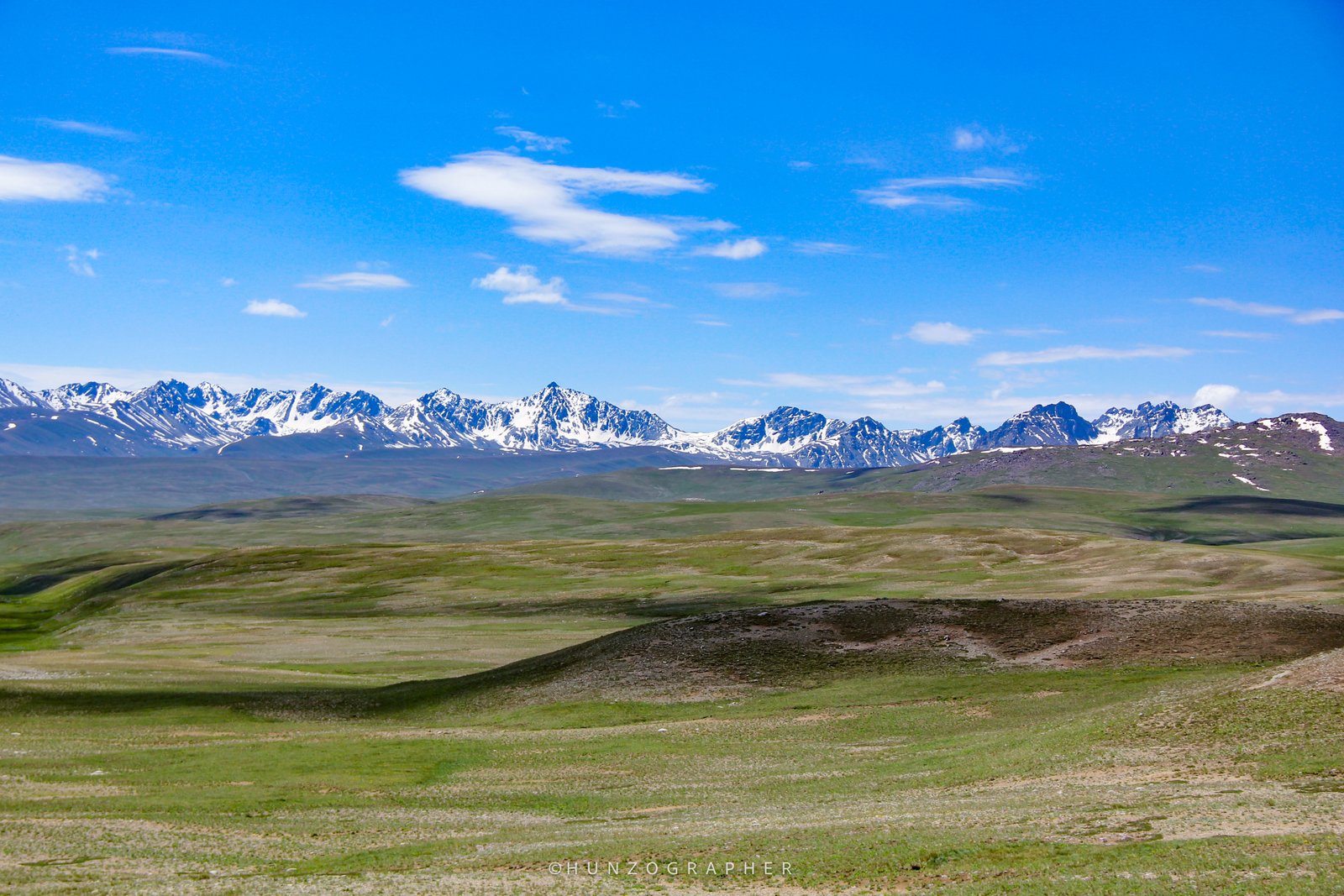
Deosai National Park The Deosai is the highest plateau in the world with an average elevation of 3500m . It is located in Baltistan at the boundary of the Karakoram and the western Himalayas. Uninhabited and little-used, it is home to Himalayan brown bear , golden marmots, snow trout and a variety of flora . In 1993 the Deosai National Wilderness Park was established in this area covering 1400 sq km.
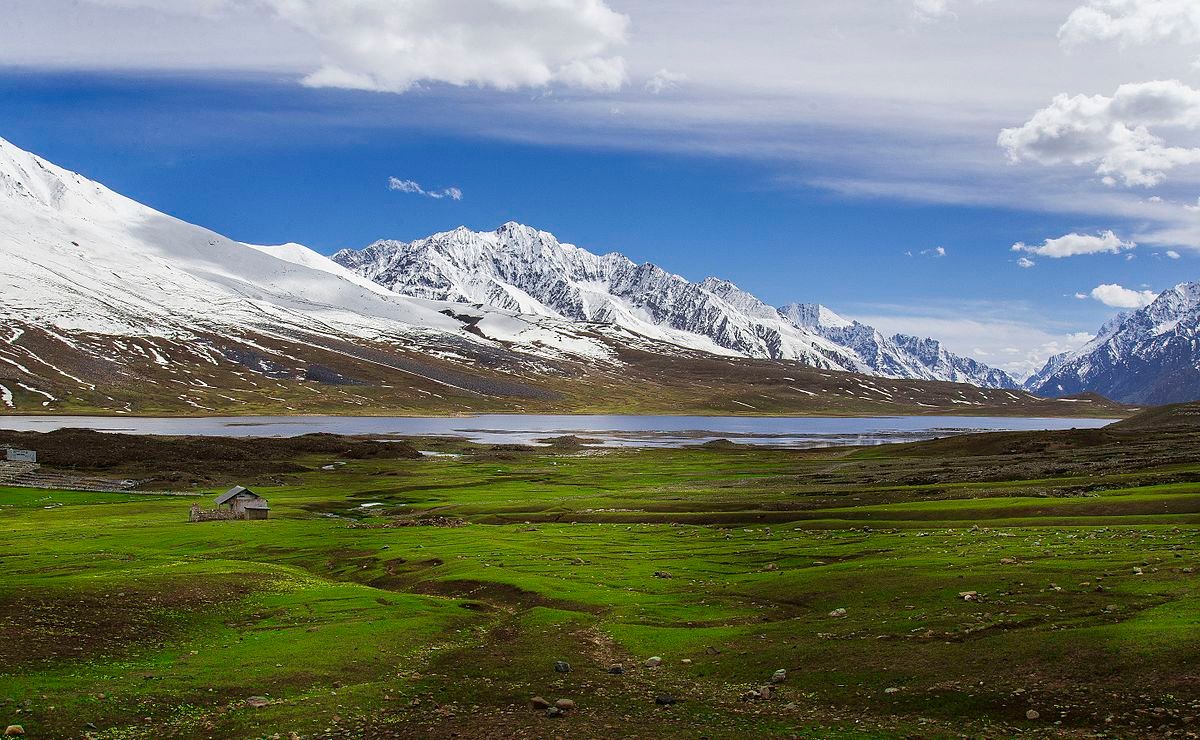
A jeep track crosses the Deosai between Skardu and the Astor valley. From Skardu, the road heads south past Sadpara Lake continuing west across the Deosai plateau. As it leaves Deosai, it skirts the northern shore of Sheosar lake and into Astor valley.
From June to September, designated camping areas open at Ali Malik Mar, Shatung, and Chogo Chu (Bara Pani). The Himalayan Wildlife Foundation works in the park, and its nature guides take visitors from Chogo Chu on marked trails to designated bear- viewing points . The undulating meadows here have no trees or shrubs but offers a variety of biodiversity , during spring and early summers one can view millions of wild flowers in bloom all over the lush green grassland and rolling hills at a scale scene no where in the Himalayas.
Kirthar & Balochistan Parks
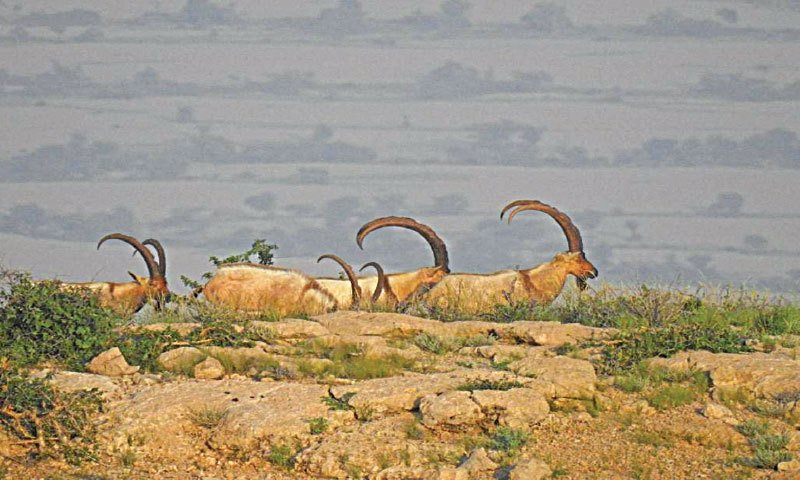
On our wild life photographic trips we are offering extensions into the Kirthar National Park and Baluchistan to photograph the Urial. Similar to the Marco Polo sheep in general body proportions and colouring but averaging considerably smaller in size with shorter, less massive horns. The horns of mature rams are comparatively slender and angular when contrasted with other wild sheep, the record horn length is 38in. Adult rams develop a conspicuous chest ruff of long straight hairs . Like the Marco Polo sheep, Urial are gregarious and the biggest herds consists of association of females with their followers and immature males. The rams keep in small separate groups outside of the rutting season and may even congregate in quite large flocks where the population is dense.